

By Evelyn Johns
Every year, March is designated to celebrate Women’s History and accomplishments. Beginning as a small celebration in California, recognition of women’s achievements began as a week dedicated to female excellence. With the work of the National Women’s History Project, this week became recognized nationally. This eventually led to the presidential recognition and validation of Women’s History Month in 1995, now being celebrated every March since. This year, the theme for the month is “Leading the Change: Women Shaping a Sustainable Future”. To celebrate this theme for March, here are a few inspiring women who have paved the way for an environmentally friendly earth.
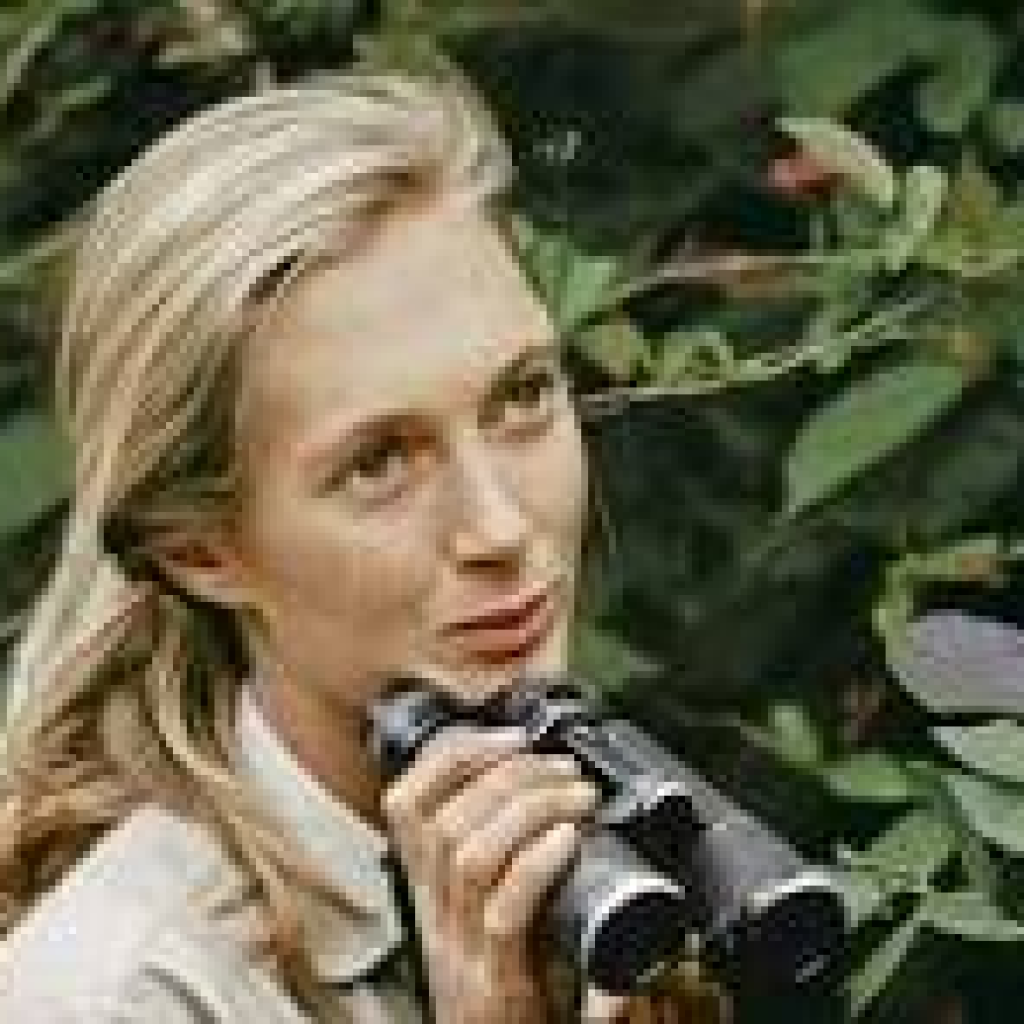
To begin with, a major influence in wildlife protection and environmental awareness was Jane Goodall. As a primatologist, she advocated for the conservation and protection of wildlife, specifically chimpanzees. Goodall spent her life travelling around the world, beginning in Tanzania where she started her research and fascination with chimpanzees. Alongside her time spent being a conservationist, she also spent time advocating for peace and change in our world. In her later years of life, she travelled around the world to speak, spread peace, and encouraged people to make the world a better place.
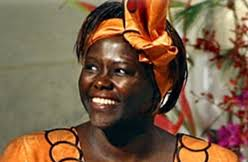
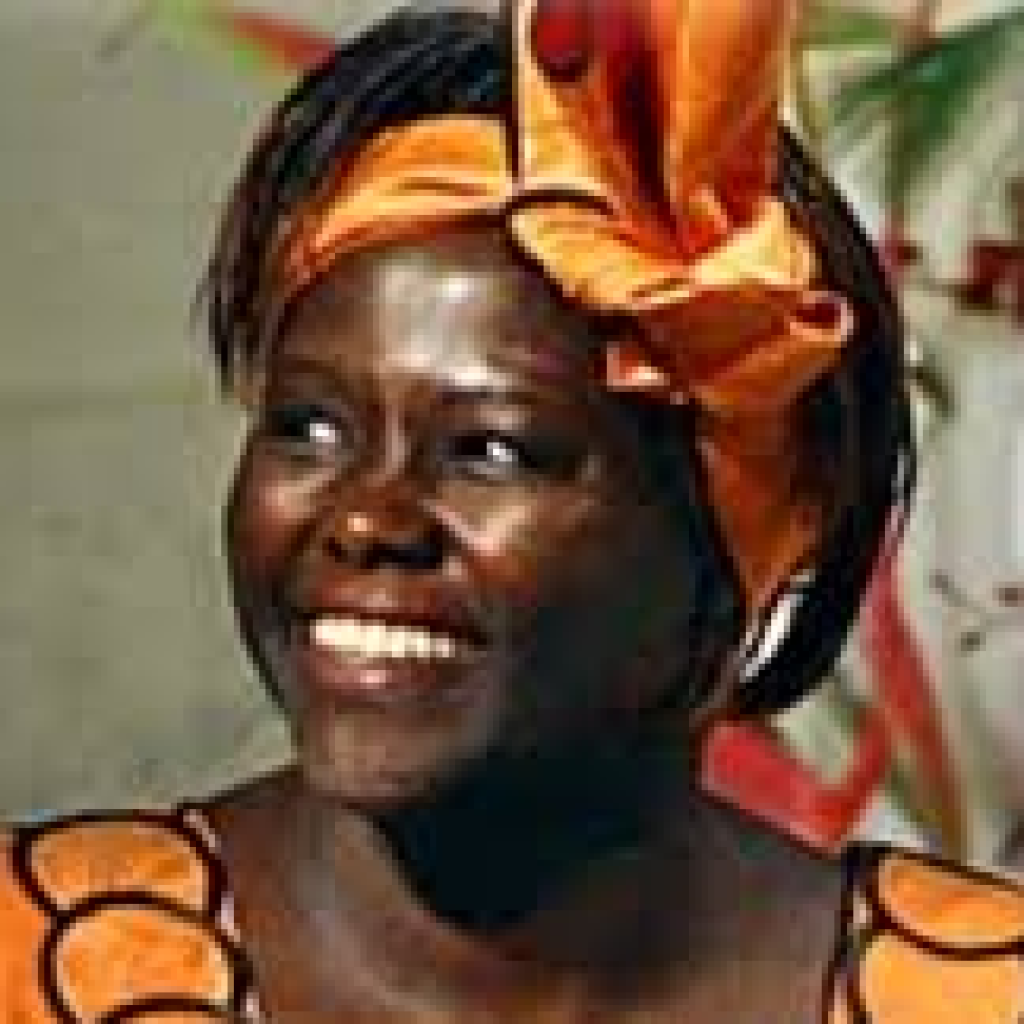
On a different note, Wangar? Maathai advocated for human rights rather than animal rights. Wangar? Maathai is recognized around the world as a human rights activist and most widely known for her advocacy for environmental change, specifically her Green Belt Movement in Kenya. With this movement, she fought to protect Kenya’s forests and planted over 51 million trees. Within the topic of human rights, on the other hand, she fought for gender equality, democracy, and advocated for marginalized communities. Through her fight for environmental change, she also fought for women and other groups that may not normally have a voice. Because of her great contributions to the environment and wellbeing of the earth, she became the first African woman to win a Nobel Peace Prize.
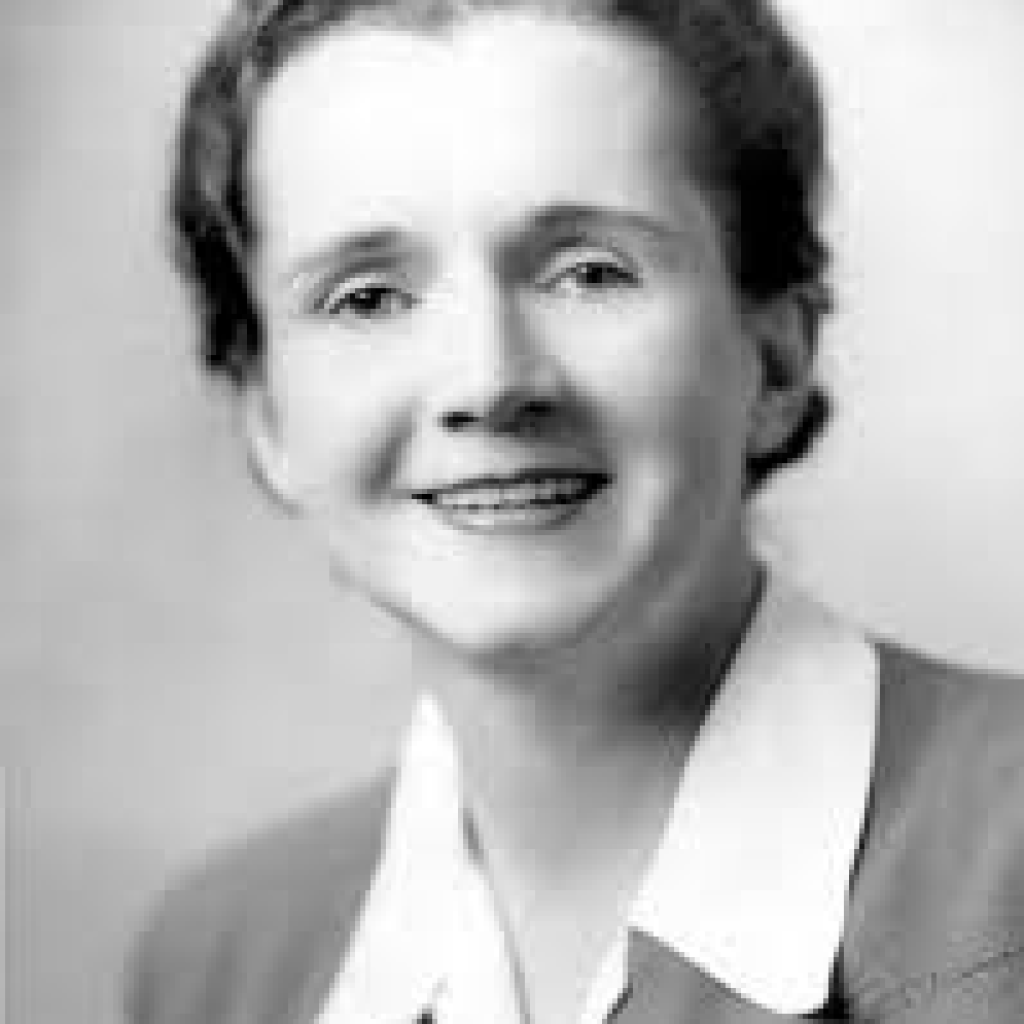
On the other hand, Rachel Carson, a marine biologist and nature advocate, worked to expose the harmful consequences of pesticides and paved the way for more modern environmental movements. With her most famous book, Silent Spring, she outlined the dangers of harsh pesticides, specifically DDT (an insecticide), as well as questioning the morality of human domination of nature. Carson also shared her findings using underwater research and submarine technology to better understand geological discoveries, such as how erosion impacts sea life and how currents change and merge.
Women around the world make an impact in our environment every day. It is important to recognize the great changes women have made to make our earth more climate friendly. Women excel in many areas, and conserving nature and our environment is certainly one of those areas. Without women, the earth truly wouldn’t be the same.
Sources:
Women’s History Month | National Women’s History Museum
Women’s History Theme 2026 – National Women’s History Alliance
Wangari Maathai – Green Belt Movement
the Jane Goodall Institute Homepage
Discover more from The Talon Times
Subscribe to get the latest posts sent to your email.